

 Fabric Knowledge
How Fabric Textures Influence Design?
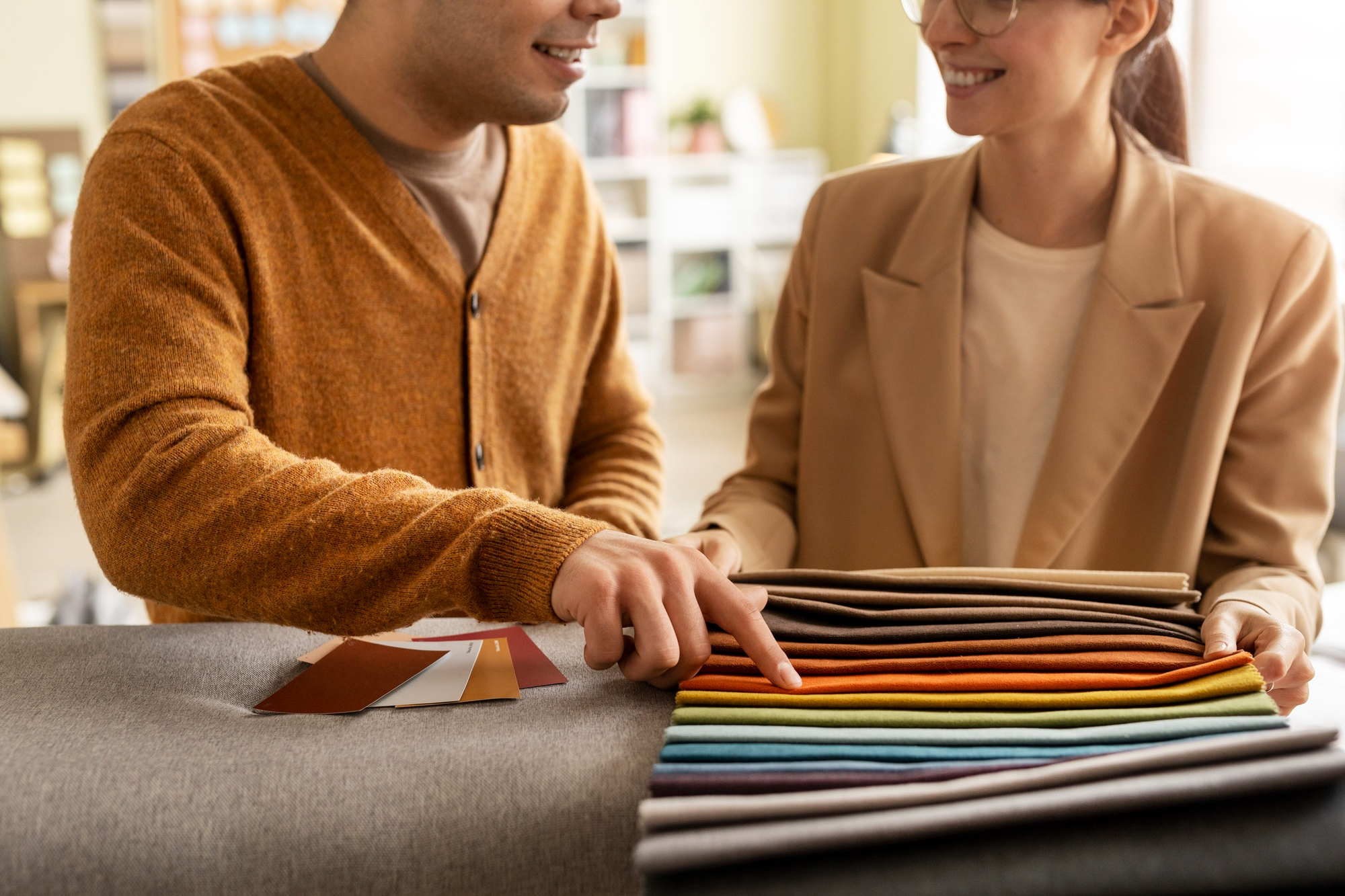
Fabric texture plays a meaningful role in shaping the overall appearance and feel of any creative design. From smooth and refined surfaces to rich woven patterns, textures influence how materials drape, reflect light, and create visual depth. Designers and sewing enthusiasts often select fabrics not only for their appearance but also for the atmosphere they create within a project. Understanding textures helps bring balance, elegance, and artistic expression into every handmade creation while enhancing comfort and creativity through thoughtful material selection.
Visual Impact
Texture creates the first visual impression within any fabric design. Smooth textiles often provide a clean and modern appearance, while textured materials add dimension and artistic character. Rich woven fabrics naturally attract attention because their surfaces interact beautifully with light and movement. Delicate textures can create softness and elegance, while bold patterns offer a more expressive and creative look. By combining different textures thoughtfully, designers can produce visually balanced creations filled with depth and personality.
Material Character
Every fabric carries a unique character influenced by its texture. Soft materials often create gentle flowing silhouettes, while structured textures offer shape and definition. Textures also affect how fabrics respond during stitching and crafting processes. Some materials create a refined finish, while others deliver a more relaxed and handcrafted appearance. Understanding these characteristics allows makers to select fabrics that align perfectly with the creative direction of a project while maintaining artistic harmony throughout the design.
Creative Expression
Texture allows creators to express emotion, creativity, and storytelling through fabric selection. Smooth fabrics may communicate simplicity and elegance, while layered textures can reflect warmth and artistic richness. Handmade creations often become more memorable when textures are thoughtfully combined to enhance visual appeal. Sewing projects gain individuality when fabrics with contrasting surfaces work together naturally. Through careful material choices, creators can shape meaningful designs that reflect personality, inspiration, and timeless artistic expression.
Styling Balance
Balancing textures is an important aspect of successful fabric design. Pairing multiple textured materials without harmony can create overwhelming visuals, while balanced combinations produce elegant results. Smooth and textured fabrics often complement each other beautifully, creating contrast without losing refinement. Designers frequently use textured accents to highlight certain details while keeping the overall composition visually pleasing.
Artistic Depth
Texture adds artistic depth that transforms simple designs into visually engaging creations. Materials with raised patterns, woven details, or layered finishes create movement and dimension within fabrics. This depth helps projects feel more dynamic and expressive while enhancing their handmade appeal.
Sensory Appeal
Fabric texture also influences the sensory experience of a creation. Soft and smooth surfaces often create feelings of comfort and calmness, while textured materials introduce warmth and character. The physical interaction with fabric can shape emotional connections and influence how creations are appreciated. Thoughtfully selected textures help enhance the overall experience by combining visual beauty with tactile comfort. This sensory connection strengthens the relationship between craftsmanship, creativity, and meaningful handmade design.
Final Thoughts
Fabric texture influences design far beyond appearance alone. It shapes visual depth, creative storytelling, sensory experience, and artistic balance within every handmade creation. Thoughtfully selected textures help transform simple materials into meaningful works filled with elegance and originality. Whether smooth, layered, woven, or richly detailed, textures bring life and personality into fabric design. By understanding how textures interact with creativity and craftsmanship, makers can create inspiring projects that feel visually beautiful, emotionally engaging, and timelessly artistic.
Visual Impact
Texture creates the first visual impression within any fabric design. Smooth textiles often provide a clean and modern appearance, while textured materials add dimension and artistic character. Rich woven fabrics naturally attract attention because their surfaces interact beautifully with light and movement. Delicate textures can create softness and elegance, while bold patterns offer a more expressive and creative look. By combining different textures thoughtfully, designers can produce visually balanced creations filled with depth and personality.
Material Character
Every fabric carries a unique character influenced by its texture. Soft materials often create gentle flowing silhouettes, while structured textures offer shape and definition. Textures also affect how fabrics respond during stitching and crafting processes. Some materials create a refined finish, while others deliver a more relaxed and handcrafted appearance. Understanding these characteristics allows makers to select fabrics that align perfectly with the creative direction of a project while maintaining artistic harmony throughout the design.
Creative Expression
Texture allows creators to express emotion, creativity, and storytelling through fabric selection. Smooth fabrics may communicate simplicity and elegance, while layered textures can reflect warmth and artistic richness. Handmade creations often become more memorable when textures are thoughtfully combined to enhance visual appeal. Sewing projects gain individuality when fabrics with contrasting surfaces work together naturally. Through careful material choices, creators can shape meaningful designs that reflect personality, inspiration, and timeless artistic expression.
Styling Balance
Balancing textures is an important aspect of successful fabric design. Pairing multiple textured materials without harmony can create overwhelming visuals, while balanced combinations produce elegant results. Smooth and textured fabrics often complement each other beautifully, creating contrast without losing refinement. Designers frequently use textured accents to highlight certain details while keeping the overall composition visually pleasing.
Artistic Depth
Texture adds artistic depth that transforms simple designs into visually engaging creations. Materials with raised patterns, woven details, or layered finishes create movement and dimension within fabrics. This depth helps projects feel more dynamic and expressive while enhancing their handmade appeal.
Sensory Appeal
Fabric texture also influences the sensory experience of a creation. Soft and smooth surfaces often create feelings of comfort and calmness, while textured materials introduce warmth and character. The physical interaction with fabric can shape emotional connections and influence how creations are appreciated. Thoughtfully selected textures help enhance the overall experience by combining visual beauty with tactile comfort. This sensory connection strengthens the relationship between craftsmanship, creativity, and meaningful handmade design.
Final Thoughts
Fabric texture influences design far beyond appearance alone. It shapes visual depth, creative storytelling, sensory experience, and artistic balance within every handmade creation. Thoughtfully selected textures help transform simple materials into meaningful works filled with elegance and originality. Whether smooth, layered, woven, or richly detailed, textures bring life and personality into fabric design. By understanding how textures interact with creativity and craftsmanship, makers can create inspiring projects that feel visually beautiful, emotionally engaging, and timelessly artistic.